
SUPPORTIVE CARE FOR MAUKE.
When the cramp won't subside.

OUR CARE FOUNDATION
-

1. KEEP DRY
Deprive the bacteria of their breeding ground. Muddy paddocks, wet bedding and persistent moisture in the hoof wall soften the skin in the coronary band. Dry standing areas, clean bedding and drying wet legs after turnout: that is the foundation. For hardy horses in winter, this means above all: checking the coronary bands at least once a week.
-

2. CARE
Strengthen the skin microbiome instead of destroying it. Many conventional products rely on alcohol, disinfection, and drying out the skin. This provides short-term relief but disrupts the skin's natural balance over time. Probiotic care takes a different approach: it supports the skin microbiome so that the beneficial bacteria can regain the upper hand.
-

3.PREVENT
The earlier, the easier. Redness, first scales, slight scabs: Those who recognize the early signs and treat them immediately spare their horse deep, painful cracks. Left untreated, scours can become so severe that the horse becomes lame.


WHICH PRODUCT WHEN?
Reddened, weeping, crusted, macerated, wallpaper sticking
Preventatively for horses with a lot of feathering during the wet season
The skin no longer weeps, but is dry, cracked, or scaly
MAUKE IS A BACTERIAL EVENT.
Countless microorganisms live in a stable balance on healthy horse skin: the skin microbiome. It is the skin's natural protective layer. If the pastern gets permanently wet, dirty, or irritated by friction and mud, the skin softens and its barrier develops gaps. Now the balance is upset: bacteria that are otherwise kept in check multiply and penetrate the skin. The result is redness, swelling, oozing, scabs, and hair loss, and in severe cases, deep cracks. Fungi or mites are often also involved and pave the way for the bacteria. Horses with dense pastern feathering, such as Friesians, Tinkers, Shires, Norikers, and Haflingers, are particularly at risk because moisture gets trapped there.
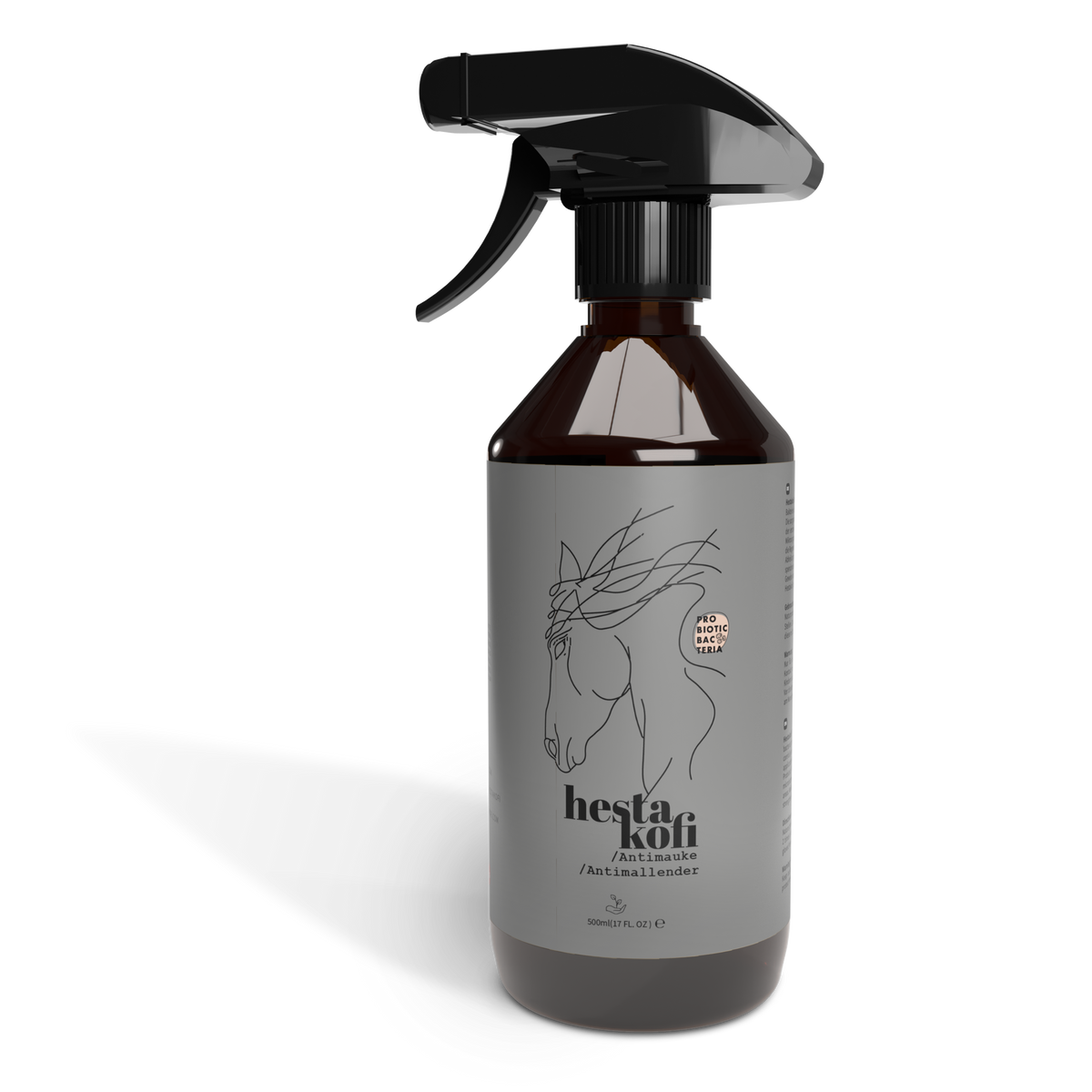
ANTIMAUKE
WHEN: As soon as the hoof is red, weeping, crusted, or softened, and preventatively on horses with dense hair in the wet season.
WHERE: Hoof, hoof head, coronary band, heels and all skin and hair areas on the leg; also on the pastern. Not on mucous membranes.
WHY: Lactobacillus ferment supports the skin microbiome, along with witch hazel, arnica, allantoin, plant oils and proteins. Alcohol-free, silicone-free, paraben-free, vegan. Penetrates even through dense hair.
HOW OFTEN: For acute needs, daily, preferably twice a day. For maintenance care, once or twice a week. Shake before use, prepare the hoof as cleanly and dryly as possible, brush the hair against the grain, spray on and massage in gently with gloves. Remove crusts with gloves. Store in a cool, dark place after opening.
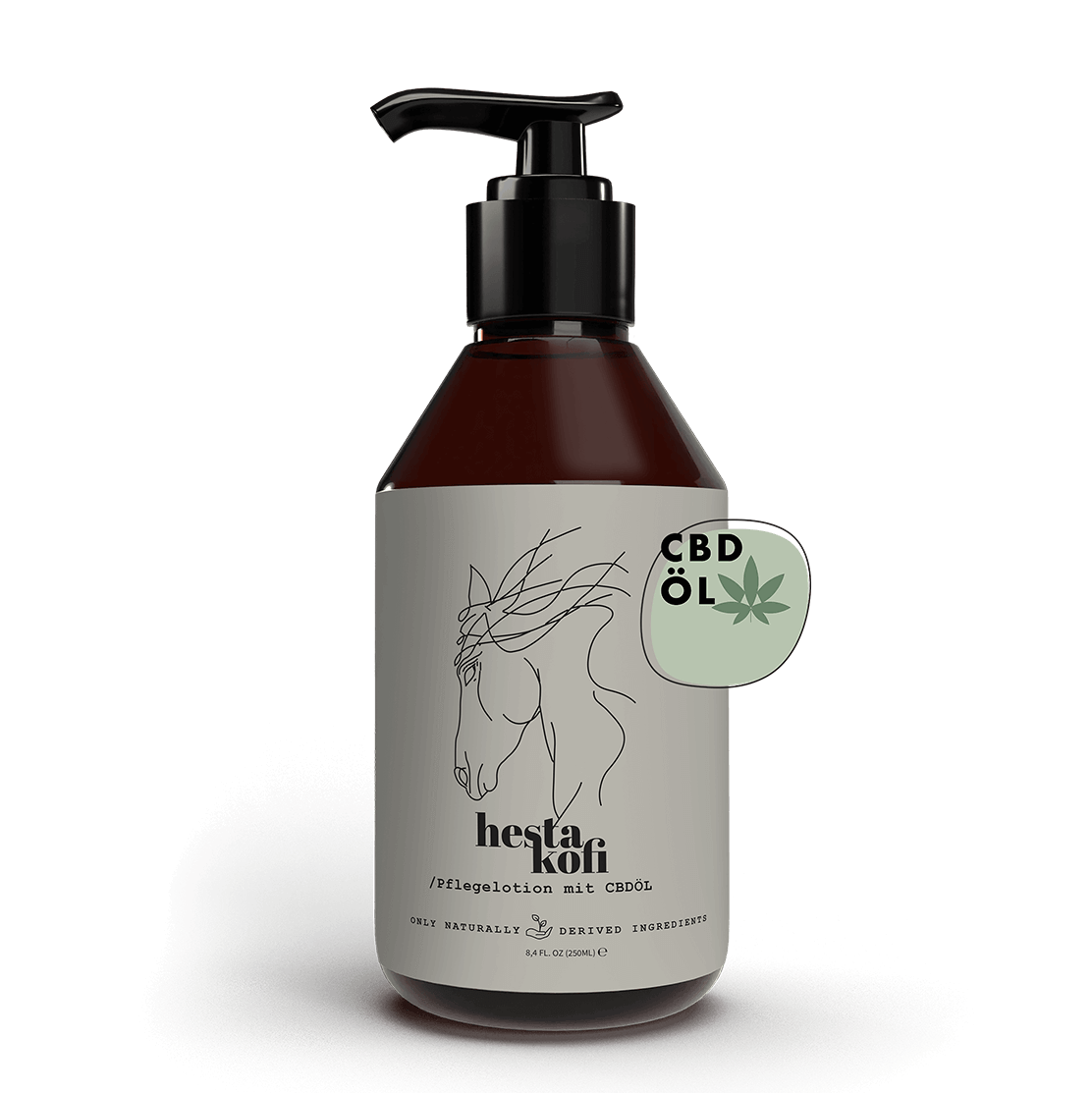
MOISTURIZING LOTION WITH CBD OIL
WHEN: When the fetlock no longer feels damp, but the skin remains dry, cracked, or flaky. Apply immediately after the anti-scabies spray.
WHERE: Fetlock joint, fetlock head, and pads, locally to the dry areas.
WHY: 10% CBD oil in a slightly cooling formula with zinc oxide and plant extracts moisturizes dry, stressed skin.
HOW OFTEN: Use sparingly, depending on condition, from daily to once a week. Shake before use.
HOW TO COMBINE THE PRODUCTS
-
ACUTE PHASE
Clean the fetlock, dry it, remove scabs with gloves, and apply anti-scab medicine twice daily.
-
AFTER
In the morning, apply the anti-itch cream and let it soak in, then apply the CBD lotion to dry and cracked areas.
-
PREVENT
Apply mouse repellent one to three times a week, and check hobble bows once a week, especially in winter.
FAQ
How is mauke formed?
Moisture, dirt and friction weaken the skin barrier in the pastern fetlock. This upsets the skin microbiome and allows bacteria to penetrate the skin. Fungi or mites are often also involved.
Is mauke contagious?
The germs involved can be further spread via grooming equipment, bandages, and bedding. Affected horses should have their own grooming equipment, and bandages and polo wraps should be washed regularly.
Which horses are particularly affected?
Horses that spend a lot of time outdoors and do not use a dry shelter during prolonged rain, especially horses with a thick winter coat that retains moisture for a long time, can be affected. Insect bites or minor skin injuries can also take an additional toll on the skin. However, the immune system also plays a major role.
Do I need to abrade the hoof wall?
Not necessarily. Anti-scab products also penetrate through thick bandages. For heavily crusted areas, carefully clean the area and keep it as dry as possible.
Why no alcohol or disinfectants?
They provide short-term relief, but disrupt the skin microbiome and dry out the skin. The problem then often returns.
Is it really mildew?
In summer, grass mite infestations is often confused with sarcoids, and in horses with a lot of feathering, the foot-pad mite is sometimes the culprit. Link to the Pflegekompass on mites and grass mites.
Is the leash just not letting up? Send me photos or give me a call.
call: 04101 / 80 54 040