
SUPPORTIVE CARE FOR RAIN ECZEMA & CO.
WHEN BACTERIA AND MOISTURE TOOK THEIR TOLL ON THE SKIN

OUR CARE BASE
-

1. KEEP DRY
Moisture is the gateway.
A shelter your horse actually uses, a breathable rain blanket, and rubbing wet areas dry after the rain: that’s the foundation. No amount of care can undo the damage caused by constant dampness.
-

2. CARE
Bring the skin back into balance. Carefully remove matted hair and crusts while wearing gloves, then apply targeted care. Probiotic bacteria support the skin’s natural microbiome, while nourishing lotions care for stressed skin. The guide below shows you which product to use and when.
-

3. PREVENTION
Strengthen your skin before the rainy season arrives. Regular care in autumn builds up the skin’s reserves. Friction under the covers can easily dry it out and make it flaky. A well-nourished skin barrier is more resilient.


WHICH PRODUCT WHEN?
Matted clumps of hair, scabs on the back, rump, or legs
Anti-mildew
Dry, flaky skin under the rain sheet as a preventive measure in autumn
Flake Away
Stressed, irritated skin after the scabs have been removed.
Rain eczema is caused by bacteria.
Moisture opens the door, though: if the skin stays damp for a long time, it loses its natural protective barrier and bacteria can get in. That’s why good care focuses on three things.
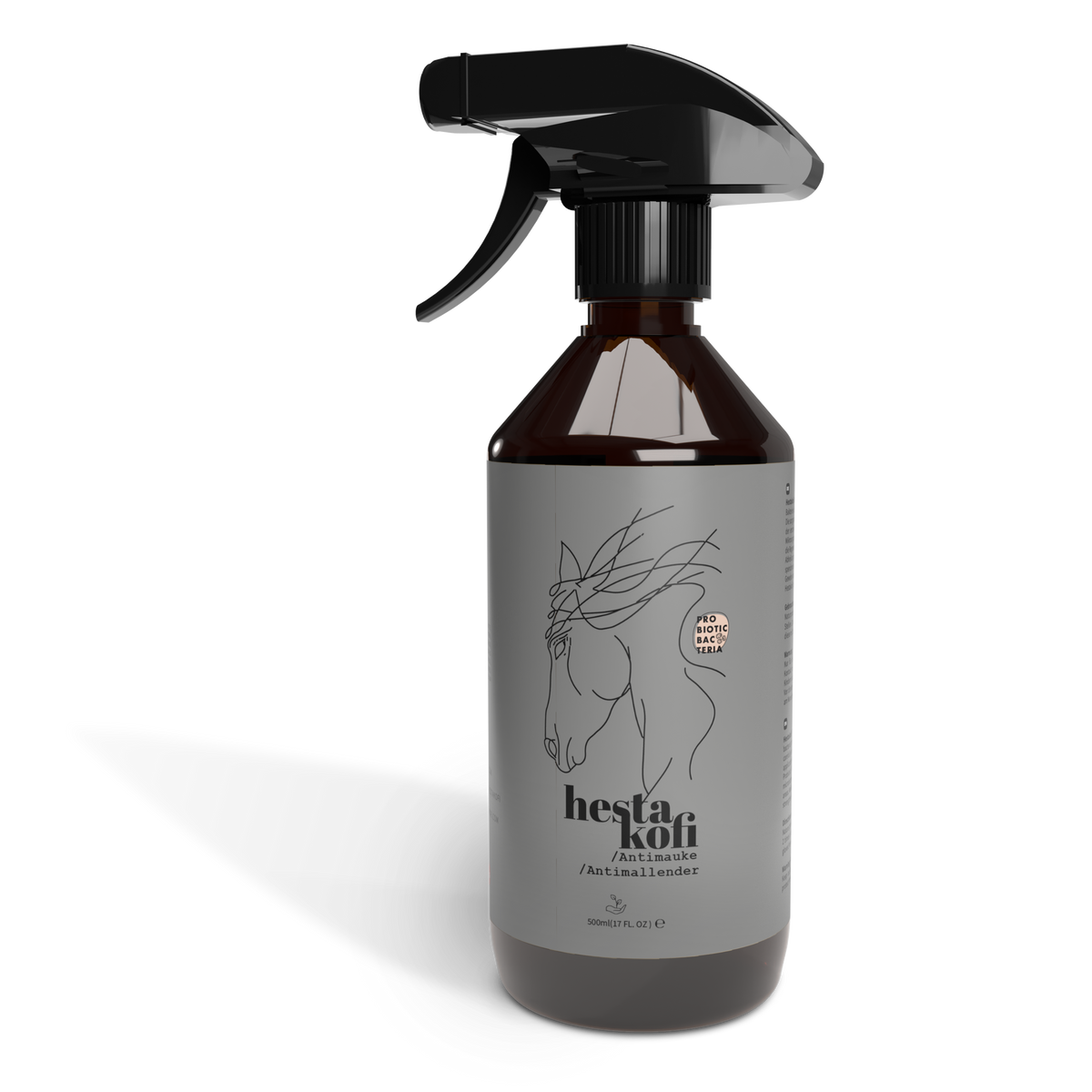
ANTIMAUKE
WHEN: When hair is matted, scabs form, or the skin is out of balance due to prolonged dampness.
WHERE: Apply to affected areas on the back, croup, and legs, as well as the pastern folds and hooves.
WHY: Natural extracts and probiotic bacteria support the natural microbiome of the skin and horn.
HOW OFTEN:Shake well before use and spray the affected areas 1–2 times daily. Remove any existing scabs beforehand using gloves.
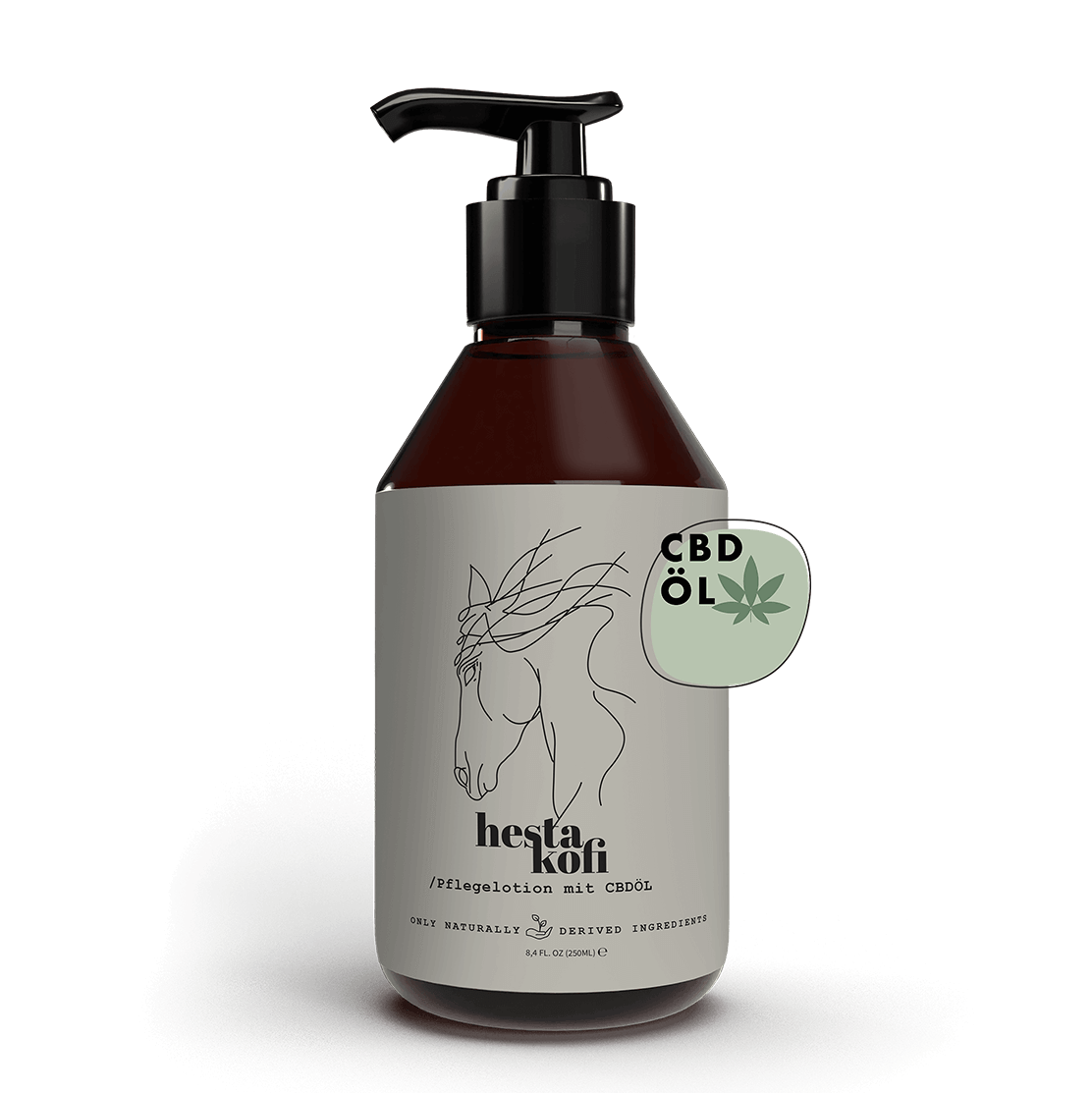
Body lotion with CBD oil
WHEN: Once the scabs have been removed and the skin underneath is irritated, dry or flaky.
WHERE: Apply directly to the affected areas on the back, rump and crest of the neck
WHY: 10% CBD oil in a mildly cooling formula with zinc oxide and plant extracts moisturizes dry, stressed skin.
HOW OFTEN: Apply sparingly, from daily to once a week depending on the condition of the skin. Shake before use.
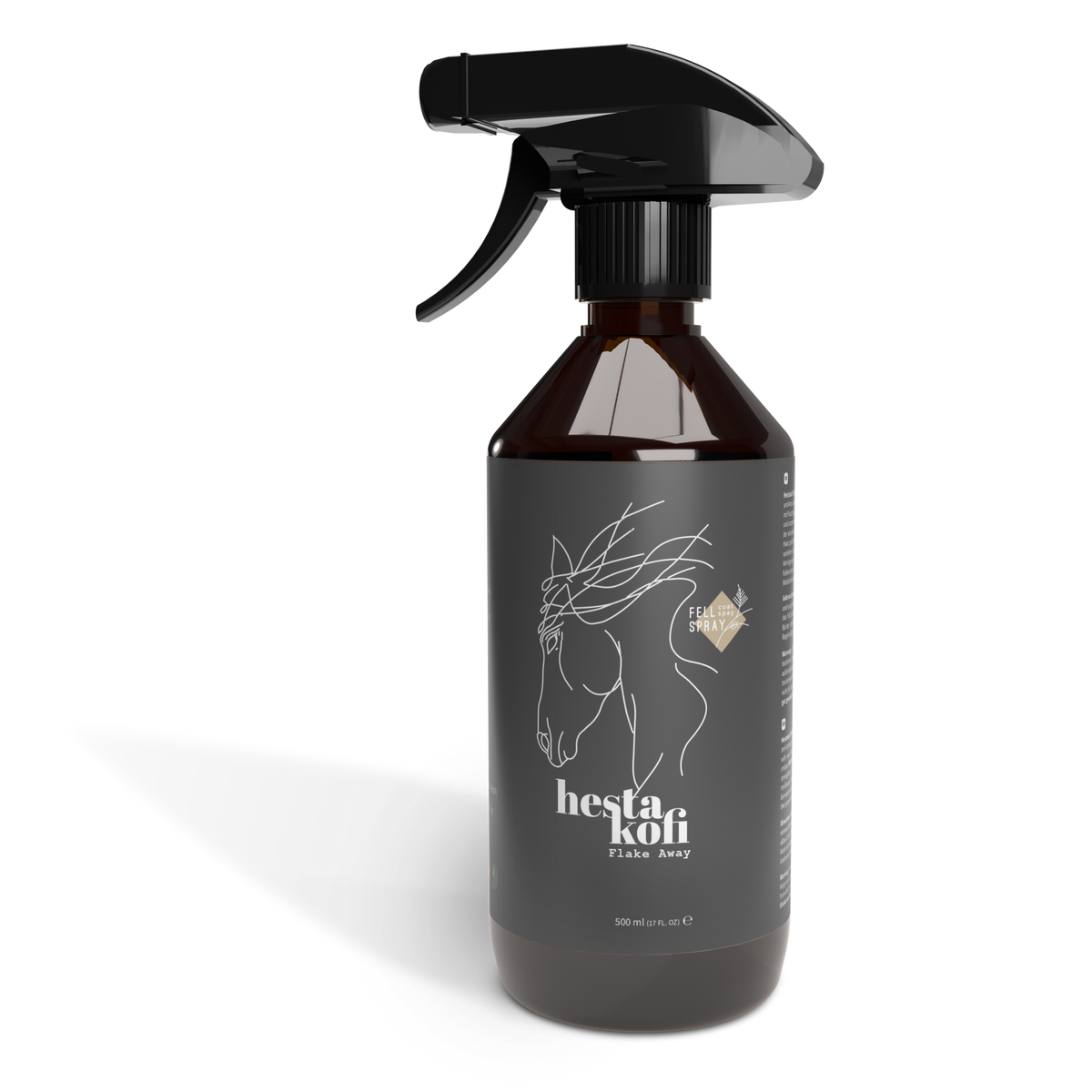
FLAKE AWAY
WHEN: As a preventive measure in autumn and during blanket season, or if the skin remains dry and flaky after the rainy period.
WHERE: Apply generously to the back, shoulders and body, wherever the rain blanket rests. If needed, apply to the entire body.
WHY: Hydration Complex with panthenol and wheat protein for long-lasting moisture, plus witch hazel, calendula, chamomile and basil. Water-based formula absorbs without leaving residue.
HOW OFTEN: 1 to 2 times per week. Spray onto clean, dry skin and allow to absorb; do not massage in.
THIS IS HOW YOU COMBINE THE PRODUCTS
-
ACUTE PHASE
Remove crusts while wearing gloves, apply Antimauke once or twice daily, and use on the horse. Simply spray on and you're done.
-
AFTER
Reduce blemishes and use the CBD lotion to target stressed areas.
-
PREVENT
From autumn onwards, use Flake Away once a week, especially before blanketing, on the horse's entire body to strengthen the skin microbiome.
FAQ
What is rain rot?
Rain rot, also known as rain scald or dermatophilosis, is a bacterial skin disease. It is caused by the bacterium Dermatophilus congolensis. It is found in the environment and can also reside on the skin of healthy horses without causing issues. Only when the skin remains wet for an extended period and its protective barrier is weakened can it penetrate the skin. Typical signs are matted, paintbrush-like tufts of hair with crusts underneath, primarily on the back, croup, neck, and legs.
Is rain scald contagious?
Yes. The bacteria are transmitted through direct contact, shared brushes, blankets, and tack. Affected horses should have their own grooming equipment, and blankets and brushes should be cleaned regularly. In rare cases, the disease can also be transmitted to humans, so always wear gloves when coming into contact with affected areas.
Which horses are particularly affected?
Horses that spend a lot of time outside and do not use a dry shelter during continuous rain, as well as horses with a thick winter coat that retains moisture for a long time. Insect bites or minor skin injuries can also put additional strain on the skin. The immune system also plays a major role here.
When do I need to go to the vet?
For large or weeping areas, if fever or pain occurs, or if there is no improvement after one week. Rain rot is a bacterial skin condition and should be evaluated.
Do I need to remove the crusts?
Yes, be careful and always wear gloves, as it can be contagious. Clean brushes and blankets afterwards and do not share them with other horses.
Does "Antimauke" also help with mud fever?
Yes, that is what it was originally developed for. Everything about mud fever here
Do you still have questions?
Then give us a call: 04101 / 80 54 040