
SUPPORTIVE CARE FOR MITES
Mites are among the most common skin problems in horses. But the harvest mite found in pastures and the foot mange mite in the feathering around the fetlocks are two completely different problems. Confusing them means treating the wrong issue.

OUR CARE FOUNDATION
-

1. RECOGNIZE
First, find out what you’re dealing with. When does it occur—only in late summer or all year round? Where is the itching—around the muzzle and fetlocks after grazing, or constantly under the feathering? And do other horses in the stable have the same problem? These three questions will almost always point you to the right mite.
-

2. PREVENT & CARE FOR
Protecting and caring for the skin. When it comes to grass mites, the goal is to prevent them from climbing onto the horse in the first place. Applying a repellent before turnout is the most important step. Afterward, the stressed skin on the legs, muzzle and around the eyes needs targeted care.
-

3. MANAGEMENT
Target the mite where it lives. Grass mites come from the soil in certain pastures, while mange mites live permanently on the horse and spread via grooming equipment and contact. Depending on the mite, management means adjusting pasture use or taking the stable, grooming equipment, and horses in contact into account.


THE HARVEST MITE
Where does the harvest mite live?
In the soil and in the grass. Only the larvae get onto the horse, and only for a few days.
When is the harvest mite active?
Midsummer through autumn, often July until the first frost; active on warm, dry, sunny days.
Where on the horse do we find harvest mites?
Fetlocks, cannon bones, mouth, nostrils, head, sometimes belly; that is, wherever the horse comes into contact with grass.
HARVEST MITE: THE PROBLEM COMES FROM THE MEADOW
Harvest mites are essentially harmless in the stable, but a nuisance in the pasture. Only their larvae seek a host. They climb up grass blades, attach themselves to the mouth and legs while horses are grazing, and feed on tissue fluid—not blood—for a few days. Then they drop off again. The tricky part is that the skin reaction and itching can last considerably longer than the mites themselves. Often, it’s always the same pastures, dry slopes or woodland edges where the mites appear year after year. This is where proper care comes in: applying a repellent before turnout keeps the larvae away before they can attach, and good skin care helps the skin recover afterwards.
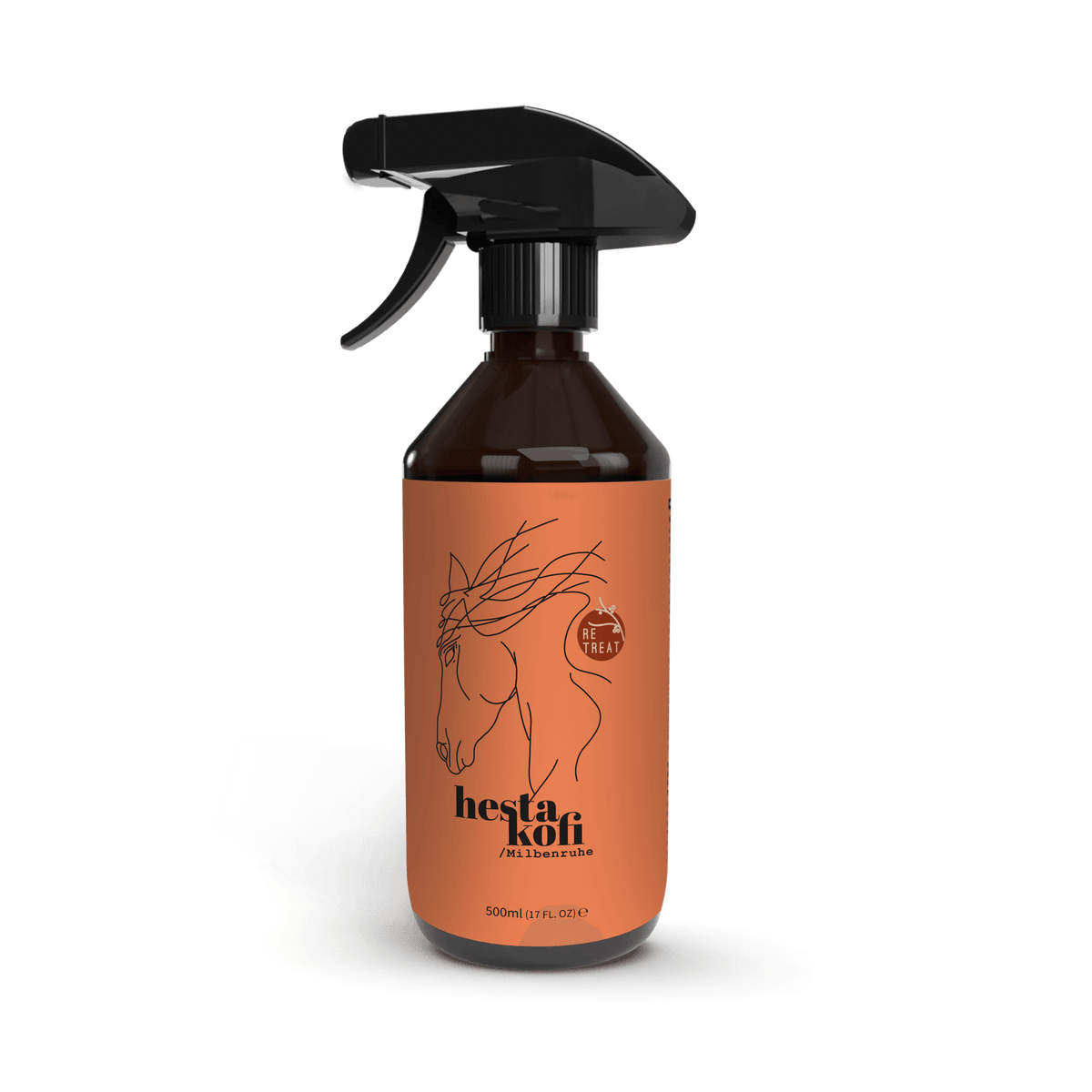
ANTI-MAULED
WHEN: Before turnout during periods of increased environmental exposure, such as the autumn harvest mite season.
WHERE: Apply especially thoroughly to the legs and pastern folds; if needed, apply to the entire horse, ideally from the neck to the croup. For the head, spray onto a cotton pad and dab gently. Avoid the eyes, ears, nostrils, genitals and anal area.
WHY:Active ingredient based on citronella oil (hydrated, cyclized), alcohol-free, DEET-free, silicone-free and mineral oil-free. Suitable for all horse breeds.
HOW OFTEN: Before each turnout; as needed, apply several times a day. Reapply after rain or heavy sweating. Shake well before use and spray from a distance of approximately 25 cm.
NOTE: ACTIVE INGREDIENT: Cymbopogon winterianus oil, fractionated, hydrated, cyclized (50 g/l) CAS 2304455-69-2. Contains PIPER NIGRUM SEED EXTRACT, clove leaf oil. BAuA No.: N-11771. May cause allergic reactions.
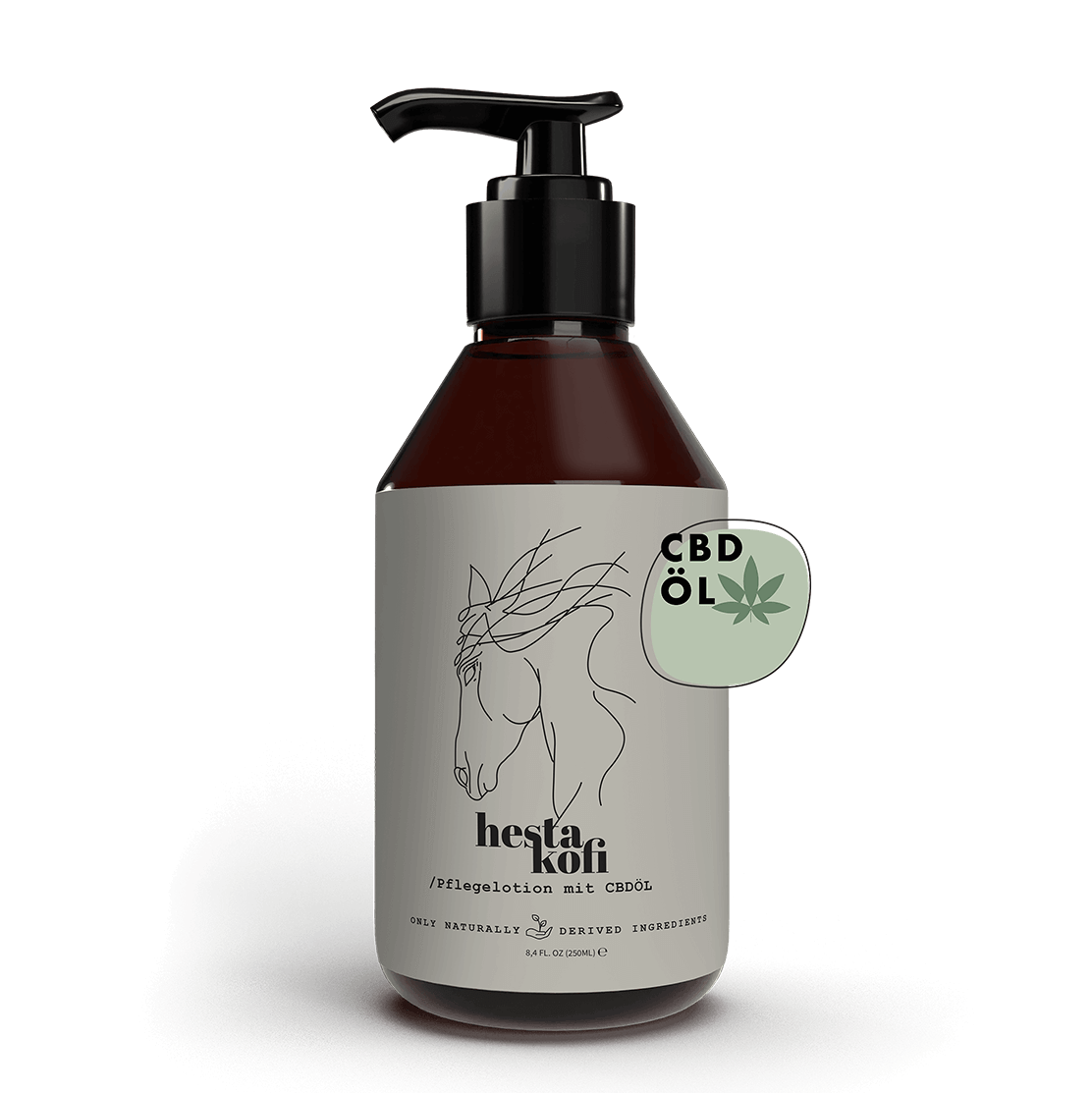
CBD OIL BODY LOTION
WHEN: If the skin is irritated, dry, or flaky after harvest mite infestation, or as a supplement to veterinary treatment for chorioptic mange.
WHERE: Fetlock folds, cannon bones, belly, and muzzle (excluding mucous membranes).
WHY: 10% CBD oil in a mildly cooling formula with zinc oxide and plant extracts moisturizes dry, stressed skin.
HOW OFTEN: Apply sparingly, daily to once a week depending on the condition. Shake before use.
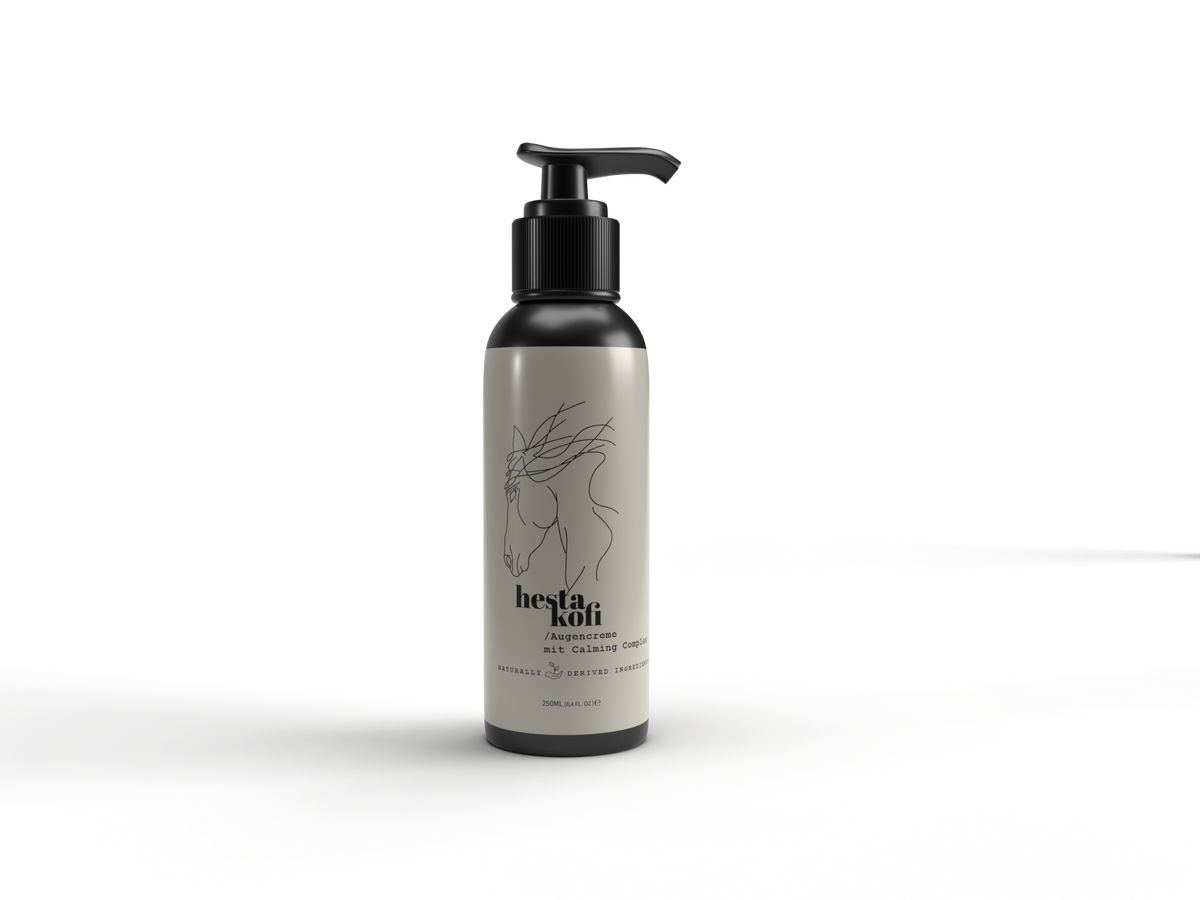
EYE CREAM
WHEN: For bald patches around the eyes, sensitive facial skin, and skin affected by pests such as mites.
WHERE: Around the eyes, on the horse’s head, nostrils, and face, avoiding direct contact with mucous membranes. DO NOT USE IN THE EYE
WHY: CBD oil from organically grown hemp plants plus Calming Complex, formulated for sensitive facial skin.
HOW OFTEN: For acute needs, use daily; for maintenance, 2 to 3 times a week. Apply sparingly in circular motions with your little finger.
HOW TO COMBINE THE PRODUCTS
-
CHIGGER SEASON
Apply Milbenruhe to the legs and body before each time out in the pasture, and to the head with the cotton pad. Care for the eye area with the eye cream.
-
ACUTE PHASE
Apply the CBD lotion to affected areas on the fetlocks, muzzle, and belly until the skin has calmed down. Treat all acute areas on the head with the eye cream.
FAQ
Can other horses catch it?
Not with harvest mites, but with chorioptic mange. In that case, use separate grooming equipment, wash blankets, and have all horses that have been in contact checked.
Should I clip the feathering?
When using Hestakofi Mite Relief, we recommend not clipping the areas. But always check them.
Can grass mites infest me too?
Yes, the larvae also attack humans. Wear long clothing during grazing and barn work in season.
DO YOU HAVE ANY QUESTIONS?
Then feel free to call me: 04101 / 80 54 040