
SUPPORTIVE CARE FOR SWEET ITCH
WHAT, WHEN, WHERE & WHY

THE THREE PILLARS OF CARE
-

1. DEFENSE
Keep the trigger away. Black flies are the main trigger for sweet itch. The fewer the bites, the less the skin has to cope with. A well-fitting sweet itch rug, a skin-friendly repellent like Mückenstille, and well-thought-out pasture and stable management form your first line of defense.
-

2. CARE
Strengthen the skin where it is stressed. Irritated, dry skin needs the right care at the right time. Targeted and intensive during acute phases, regular and microbiome-friendly in everyday life. This is how you support the skin barrier and help the skin to regenerate. The compass below shows you which product is suitable when.
-

3. PREVENTION
Prepare from within. Sweet itch is more than just a skin issue. A low-sugar diet, limited grazing on lush pastures, a good supply of zinc, B vitamins, and omega-3 fatty acids, as well as low stress, lay the foundation. Those who start before the season begins are practicing proactive care rather than playing catch-up.


WHAT, WHEN, WHERE & WHY
Extreme dryness, cracked skin
Chafed, severely irritated areas; horse is rubbing excessively
Ears, face, ventral midline, udder, sheath
Protection against black flies. Before turnout. Before riding.
Localized itching on the tail, mane, or both
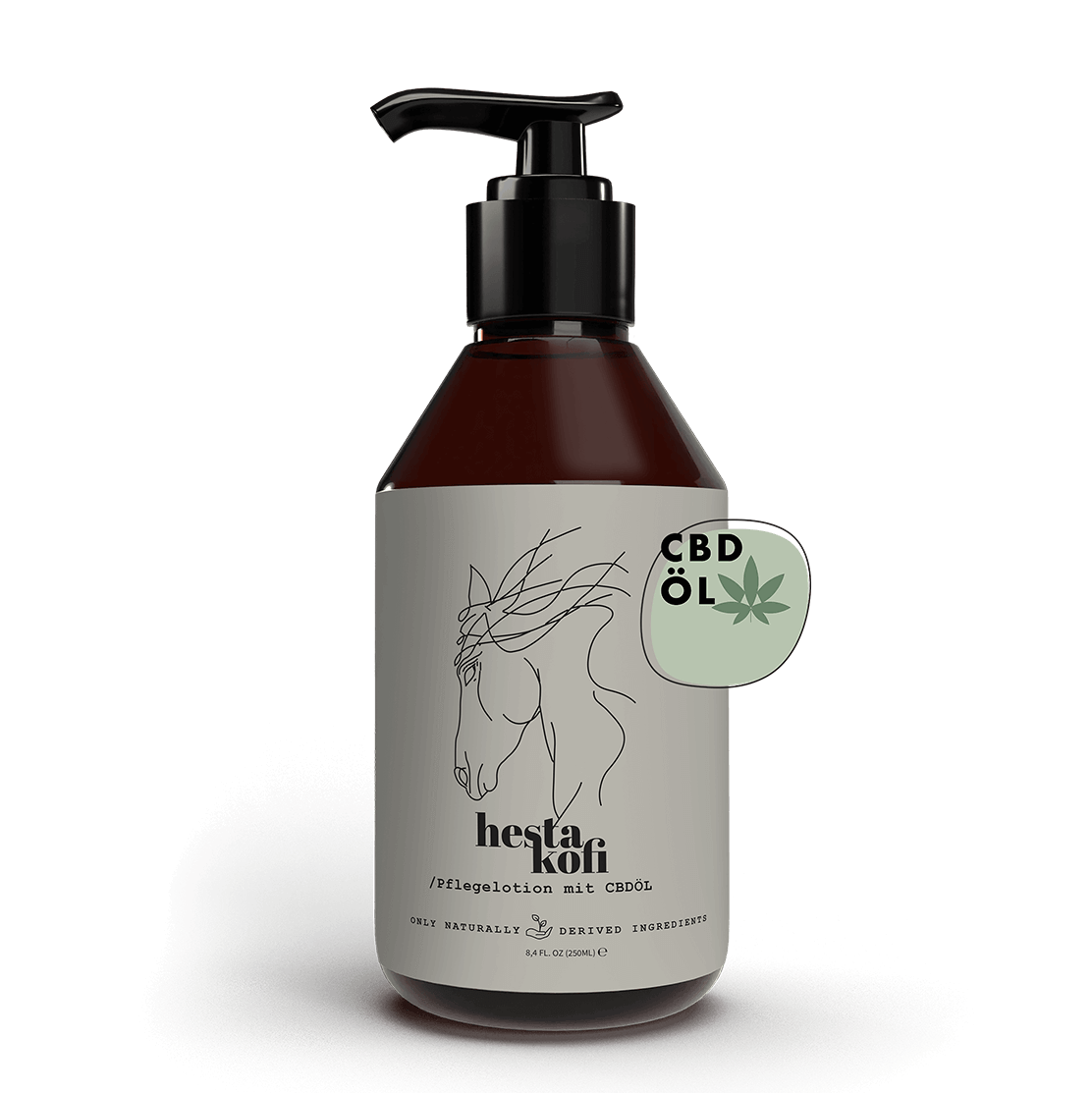
CARE LOTION WITH CBD OIL
WHEN: acute phase, areas under heavy stress.
WHERE: face (avoiding mucous membranes), ears, belly midline, udder and sheath, as well as the mane crest and tail base.
WHY: 10% CBD oil, a slightly cooling formula, and plant-based care components that provide moisture.
HOW OFTEN: Initially, apply generously so all skin layers are treated. Afterwards, use sparingly, daily to once a week depending on the condition; shake before use.
TIP: It is easier to apply cream to the ear from the opposite side rather than from the front.
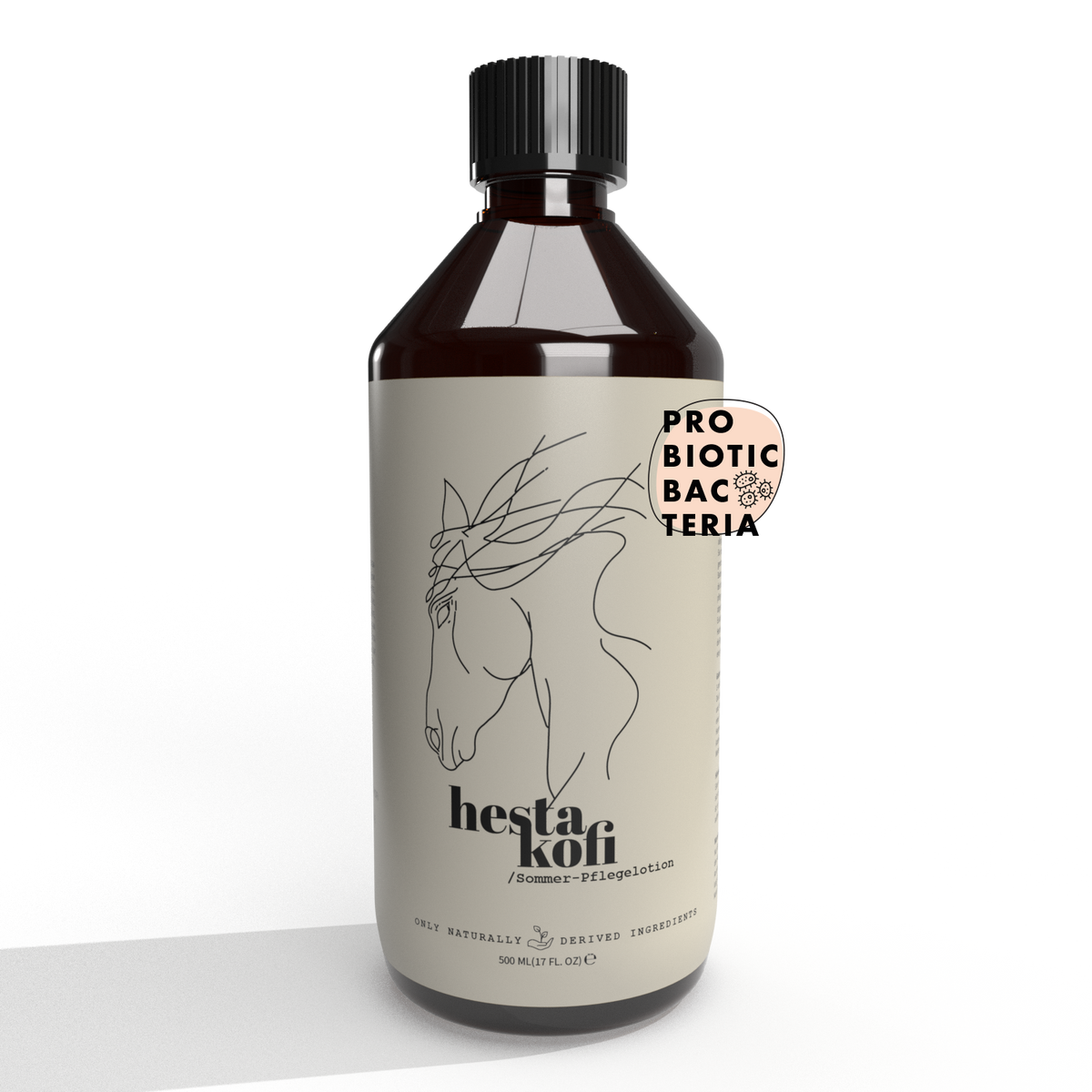
SUMMER CARE LOTION WITH PROBIOTIC BACTERIA
WHEN: For daily care, also as a preventative measure before and during the season.
WHERE: Apply generously to the mane crest and tail base and massage in well.
WHY: Calendula, chamomile, tea tree oil, witch hazel, and zinc oxide nourish the skin, while probiotic bacteria support the skin's balance.
HOW OFTEN: Daily; thanks to the probiotic bacteria, it can also be used preventatively for the skin's own microbiome.
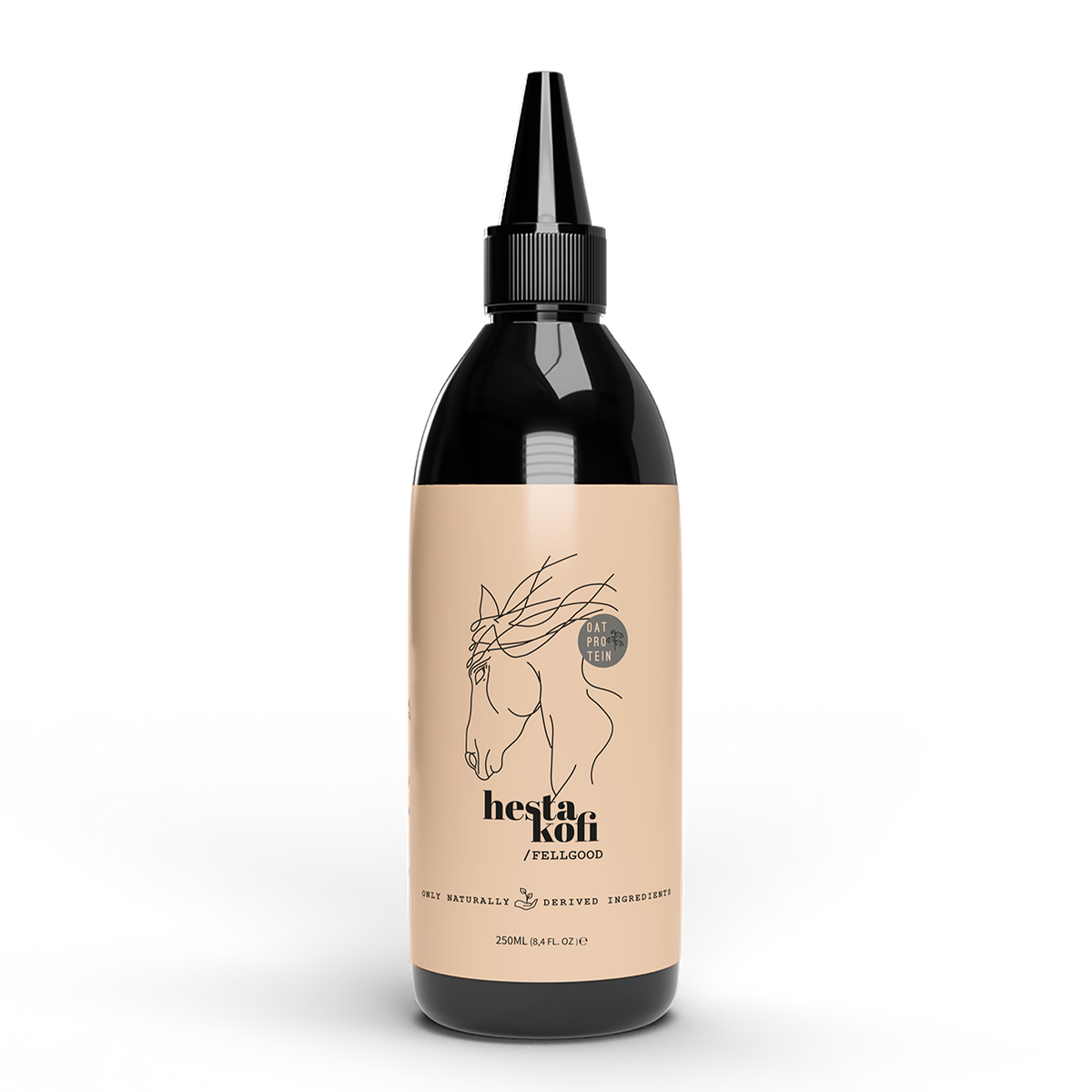
FEELGOOD SERUM
WHEN: For dry, tight or flaky skin, and when you cannot be at the stable every day.
WHERE: Mane base, dock of the tail, midline of the belly and any areas where the horse rubs or scratches.
WHY: Gel texture instead of oil: absorbs instead of sitting on top, without sealing or heat buildup. With meadowfoam oil, witch hazel and oat protein.
HOW OFTEN: Every 72 hours. In case of an acute flare-up, apply daily until the skin has calmed down, then switch to maintenance care.
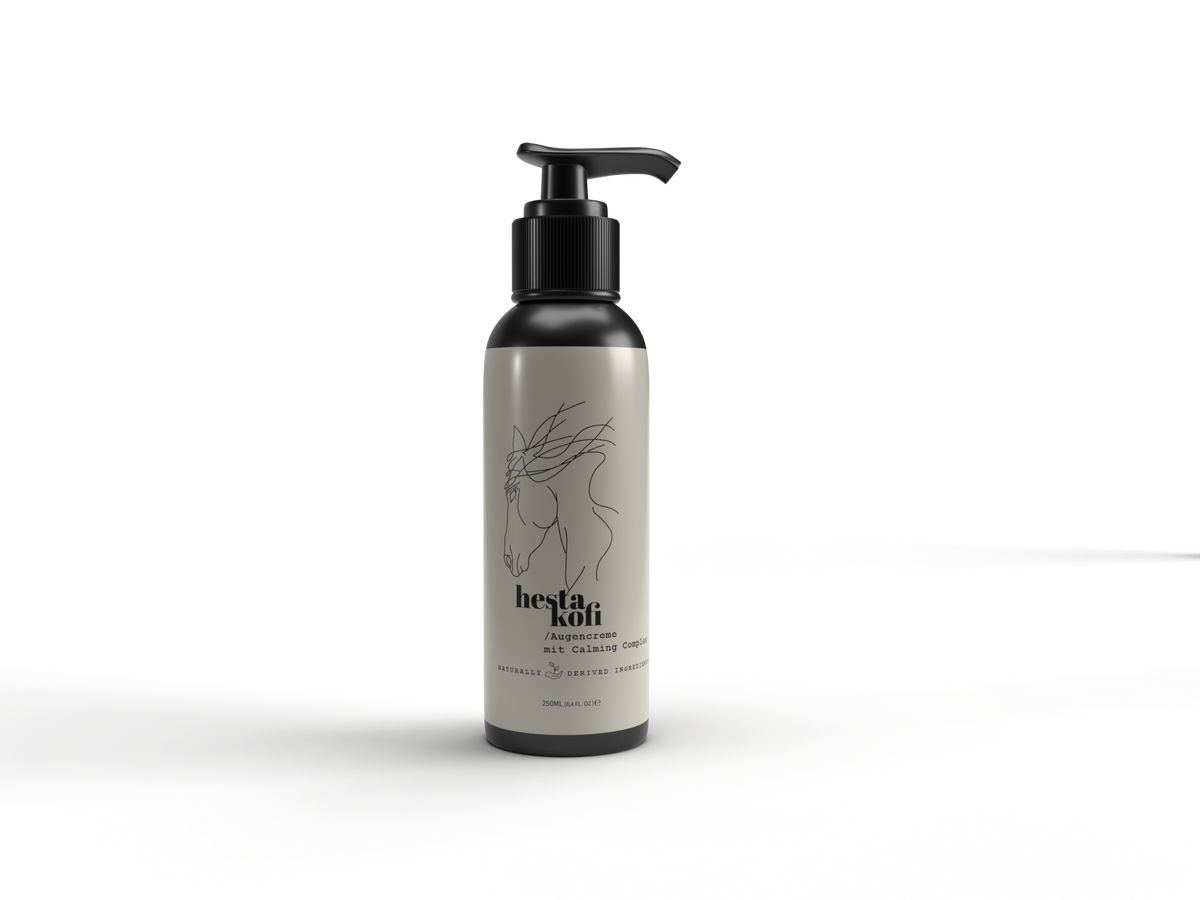
EYE CREAM
WHEN: For bald spots around the eye, sensitive facial skin, and skin stressed by pests such as mites.
WHERE: Around the eyes, horse's head, nostrils, and face, without direct contact with mucous membranes. DO NOT APPLY INTO THE EYE
WHY: CBD oil from organically grown hemp plants plus a calming complex, formulated for sensitive facial skin.
HOW OFTEN: Daily for acute needs, 2 to 3 times per week for maintenance. Best applied sparingly in circular motions using the little finger.
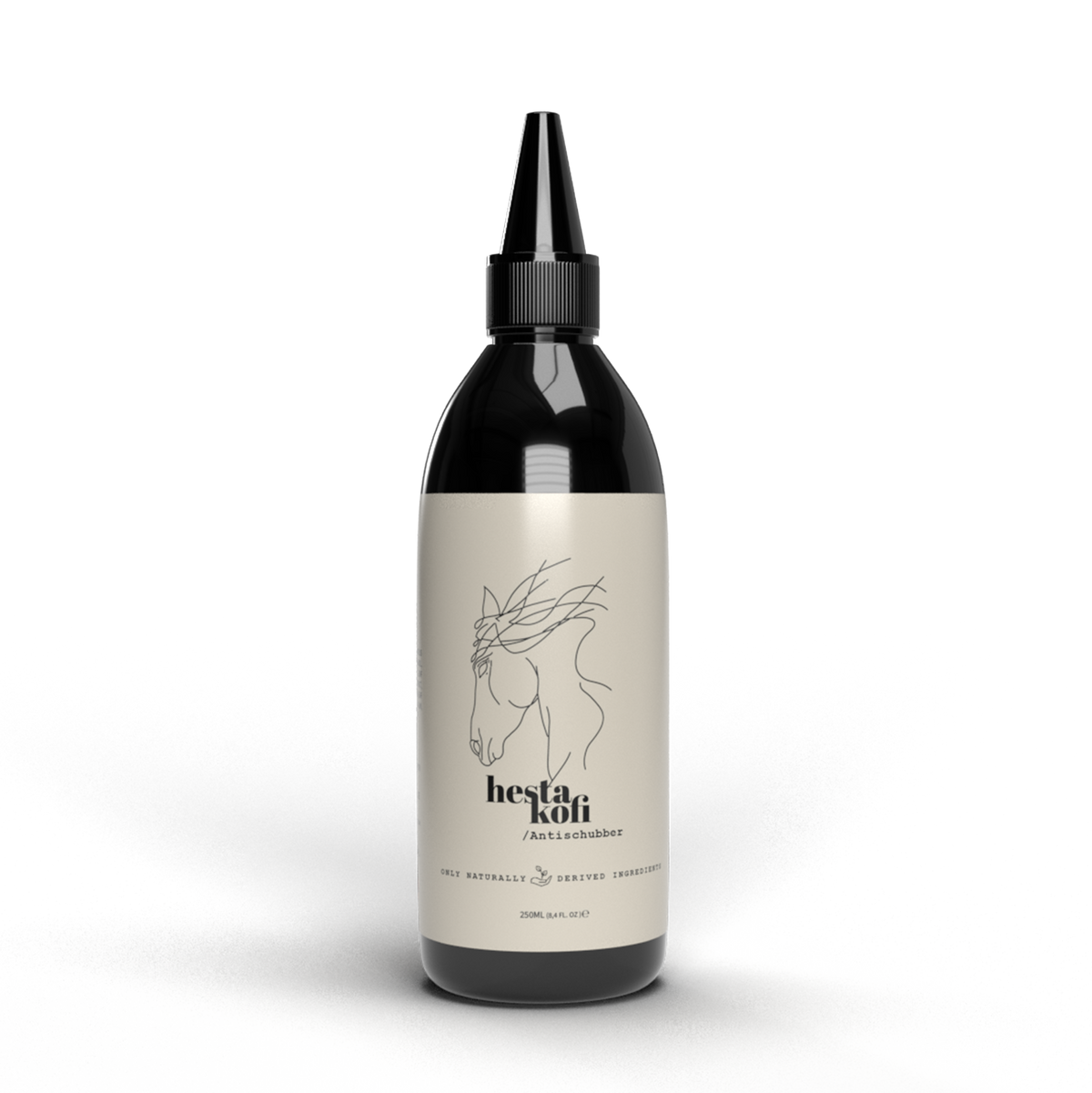
ANTI-CHAFING
WHEN: When your horse only rubs its mane and tail, but the belly seam remains unaffected. Also during the coat change. More for the horse that often suffers from localized itching. Often only mane and tail. This is often a form of allergy, for example: pollen.
WHERE: Place the application tip directly on the mane crest or tail base and gently massage into the coat and hair roots.
WHY: Chamomile and natural moisturizers nourish the skin and long hair; free from silicones, mineral oils, PEGs, and synthetic fragrances.
HOW OFTEN: 2 to 3 times a week, or daily if intensive care is needed.
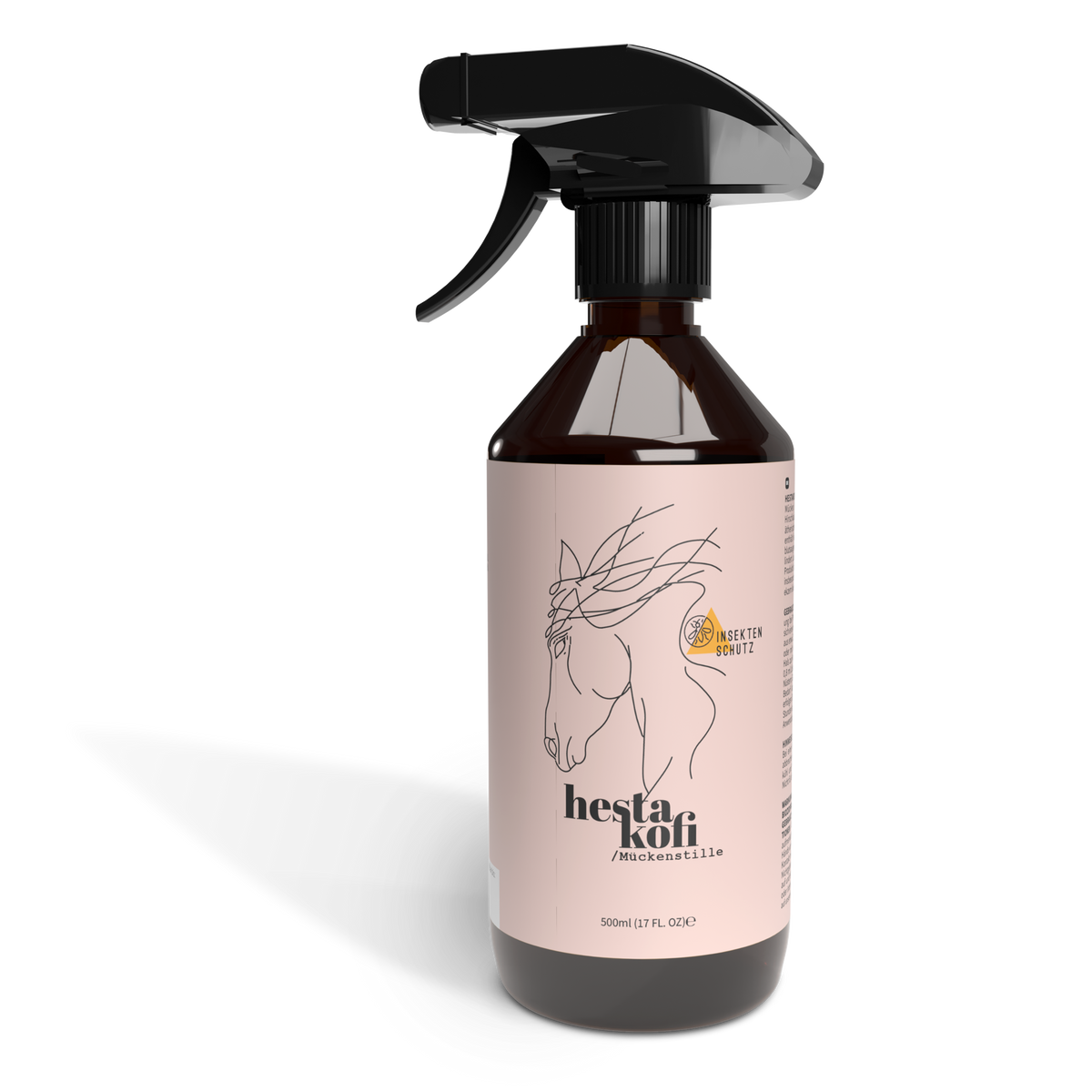
PIN-DROP SILENCE
WHEN: Before turning out to pasture or going for a ride, and whenever black flies are active.
WHERE: On fur and blankets. The entire body can be sprayed. It is better to dab the head area with a sponge. Avoid mucous membranes.
WHY: Protects against black flies, mosquitoes, ticks, deer keds, and flies, without alcohol and with aloe vera and broccoli seed oil for the care of stressed skin.
HOW OFTEN: Generally up to 18 hours, but this depends on how much the horse sweats. Can be used twice daily.
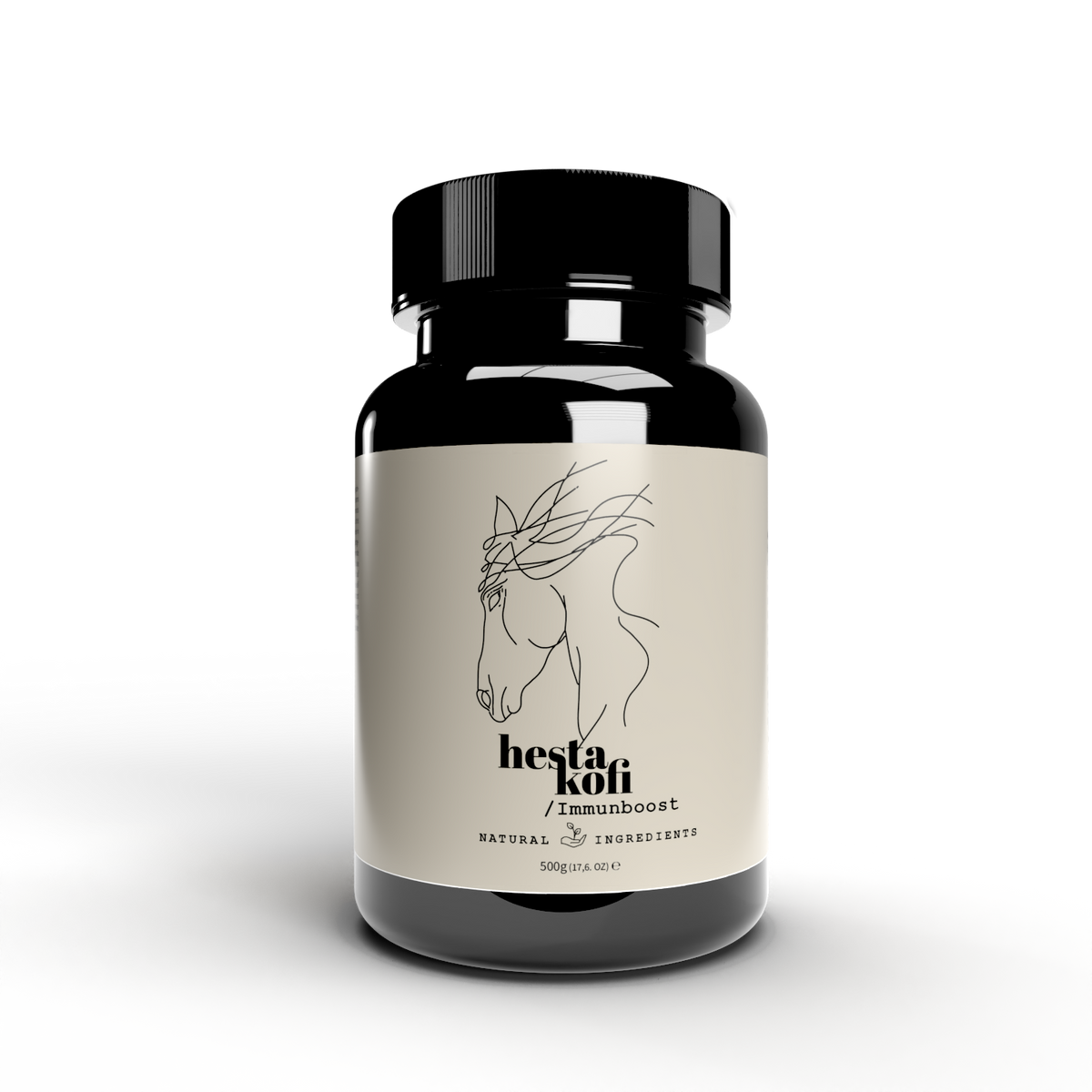
IMMUNE BOOST
WHEN: As a course before the season or as a continuous supplement throughout the summer.
WHERE:Via the feed. Continue feeding mineral feed as normal when administered as a course.
WHY: Zinc, B-vitamin complex, and vitamin C supplement what the body needs in increased amounts during allergic reactions.
HOW OFTEN: Course: 1 measuring scoop daily per horse (400 to 500 kg), Continuous administration: half a measuring scoop daily, larger horses accordingly more. Feed consistently for at least 4 to 6 weeks.
NICE TO KNOW: For horses with stomach problems, please consult a veterinarian first, as the administration of zinc is not advisable for horses with stomach issues.